K-Beauty’s British Beauty Bloom
As K-beauty became a global phenomenon, more brands flooded the market with grey-market products, making it harder for individual brands to stand out and damaging brand integrity. At the same time, Western skincare brands adopted and repackaged K-beauty innovations — such as essences, snail mucin and glass-skin routines — reducing the novelty factor.
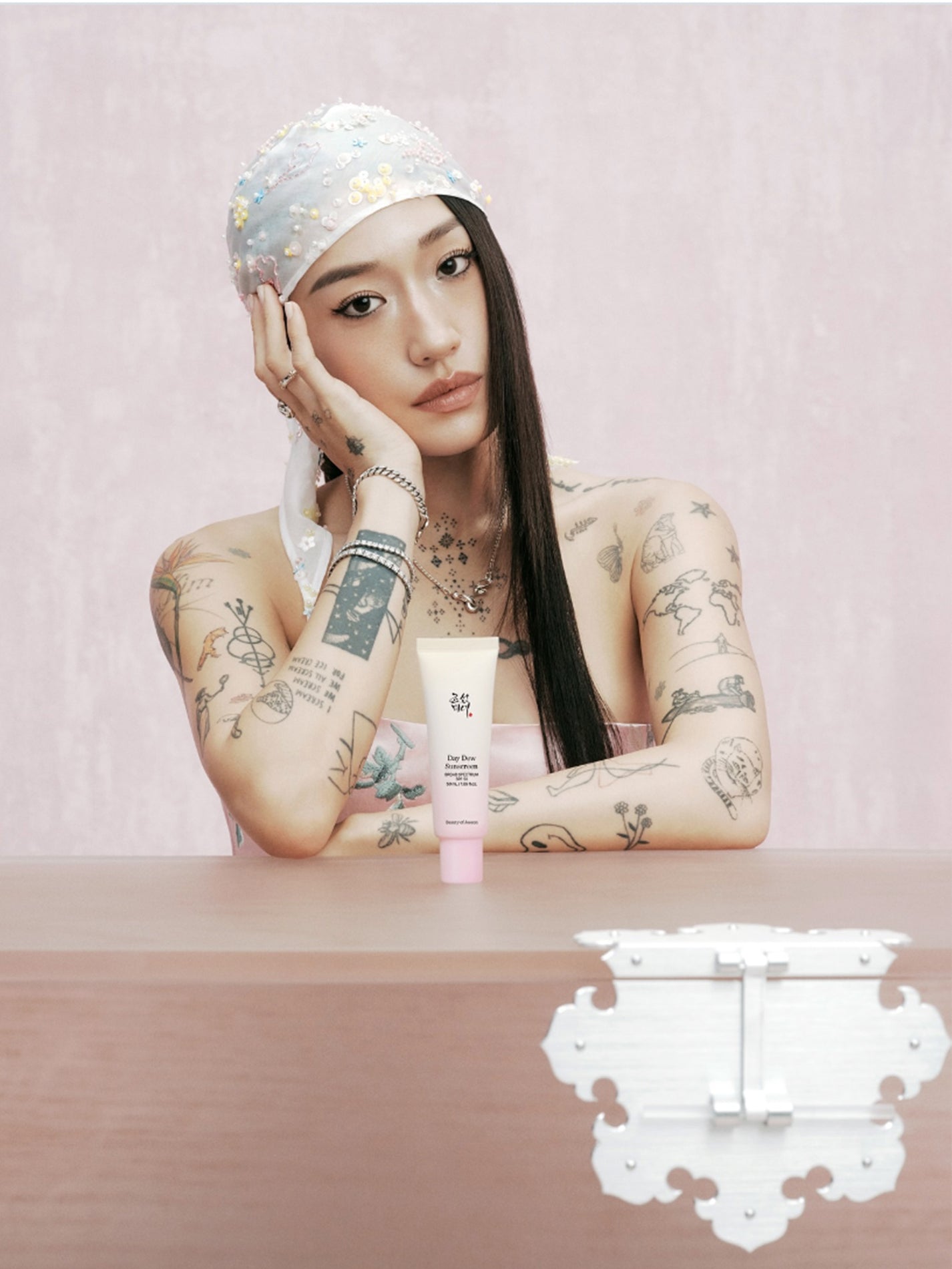
Since then, brands such as Cosrx and Beauty of Joseon have strengthened their retail presence by establishing storefronts on shopping platforms like Amazon and TikTok Shop, creating a seamless social commerce experience. K-beauty has also evolved beyond minimalist, cute packaging and novelty products. Once best known for fun formats and aesthetics, such as unique jelly-like textures, the category is now more firmly rooted in innovation, featuring high-quality ingredients at an approachable price point.
Affordable pricing has been crucial to K-beauty’s growth, attracting price-sensitive customers who are unwilling to compromise on quality. Brands like Medicube use the topical ingredient PDRN (polydeoxyribonucleotide), derived from salmon DNA and used to promote cell repair, improve skin elasticity and accelerate wound healing, to offer consumers advanced treatments that, in Western markets, are typically available only through costly and time-consuming injectables.
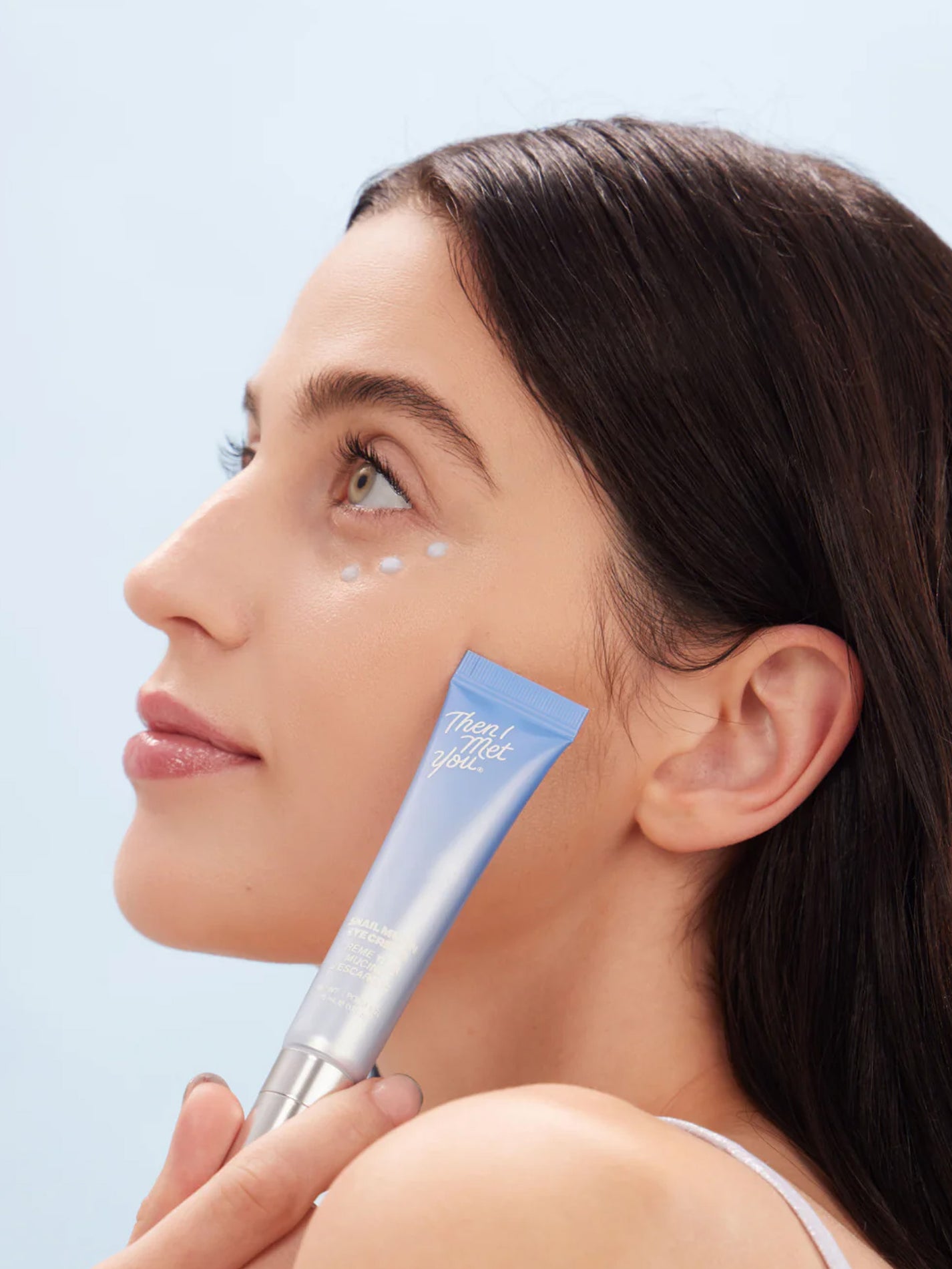
In the US, Sephora is doubling down on its Korean brand portfolio, introducing Then I Met You, Aestura, Beauty of Joseon and Biodance this year. It is investing in dedicated in-store spaces to elevate K-beauty brands and solidify their presence beyond momentary trends. Sephora’s UK division is watching closely, as customers request more and more K-beauty brands in stores.
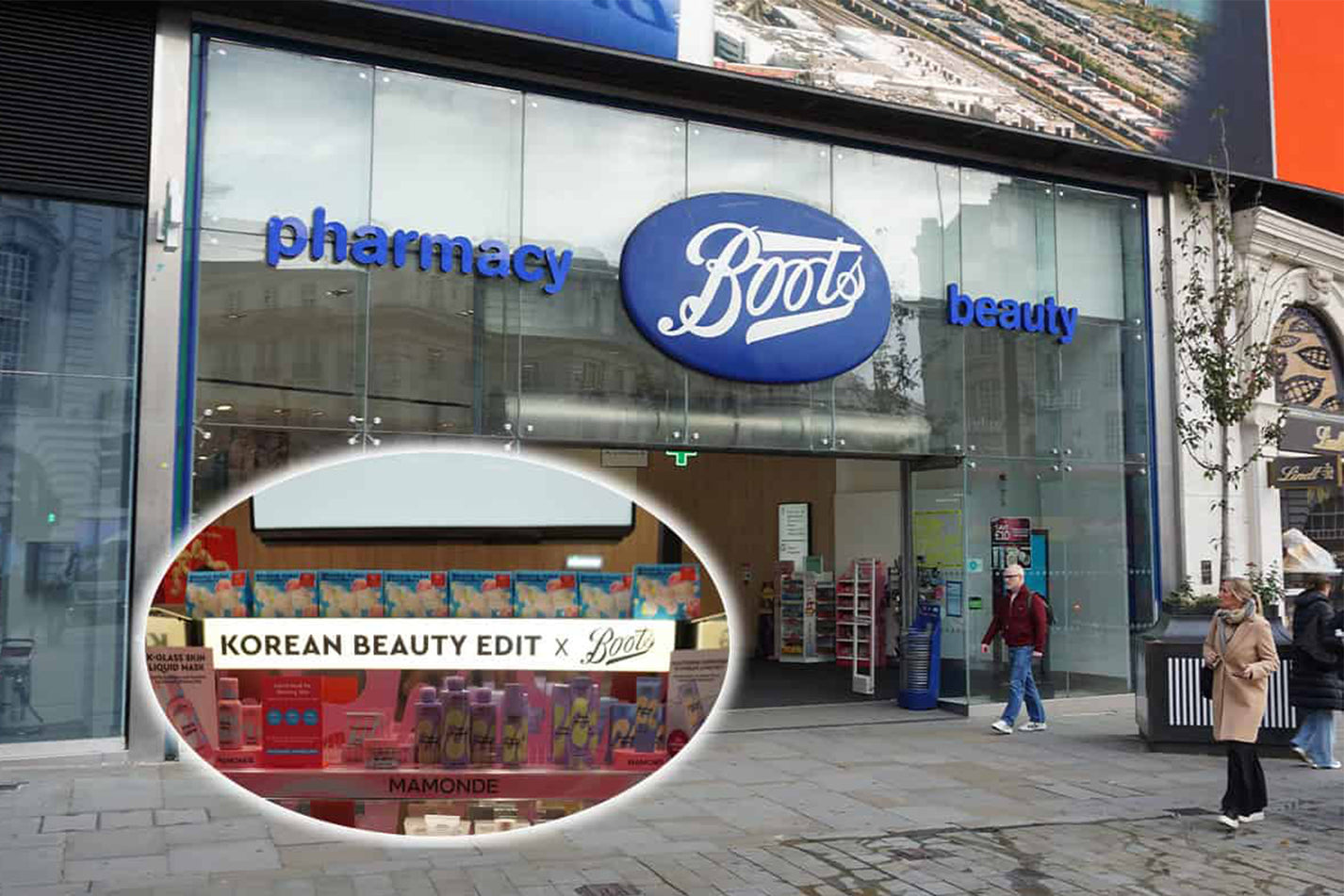
Meanwhile, K-beauty brands now represent over a tenth of everyday skincare sales at British retailer Boots, according to the company’s recent sales data. Boots has launched more than ten K-beauty brands in the last year, with one Korean skincare product selling every 30 seconds (based on Boots sales data).
The global beauty consumer is now looking beyond Korean skincare, with increasing interest in Korean make-up and even haircare. K-beauty’s expanding retail footprint suggests it is here to stay.