Why are British shoppers so interested in Korean fashion?
British shoppers are increasingly interested in Korean fashion due to the immense popularity of the "K-Wave," the style’s distinctive blend of trend-setting designs and high-quality production, and the influence of social media on younger generations. The Korean fashion scene is where heritage, subculture, and global influence converge, creating collections that feel both fresh and timeless. It is a powerhouse of boundary-pushing creativity, where tradition meets the avant-garde.
The Cultural "K-Wave" Phenomenon
The rising global influence of Korean pop culture, known as the "K-Wave" or "Hallyu," is a primary driver of K-fashion’s popularity in the UK. British consumers are motivated by the styles worn by their favorite K-Pop and K-Drama stars, with over half of shoppers influenced by Korean entertainment icons. K-fashion is evolving from a niche interest into a mainstream phenomenon, influencing Western trends and global fashion conversations.
Unique Aesthetic and High-Quality Design
Korean fashion has gained unprecedented international attention as more Korean labels join the global fashion stage. Prominent appearances at fashion events and partnerships with global companies such as Nike and Google have elevated its profile.
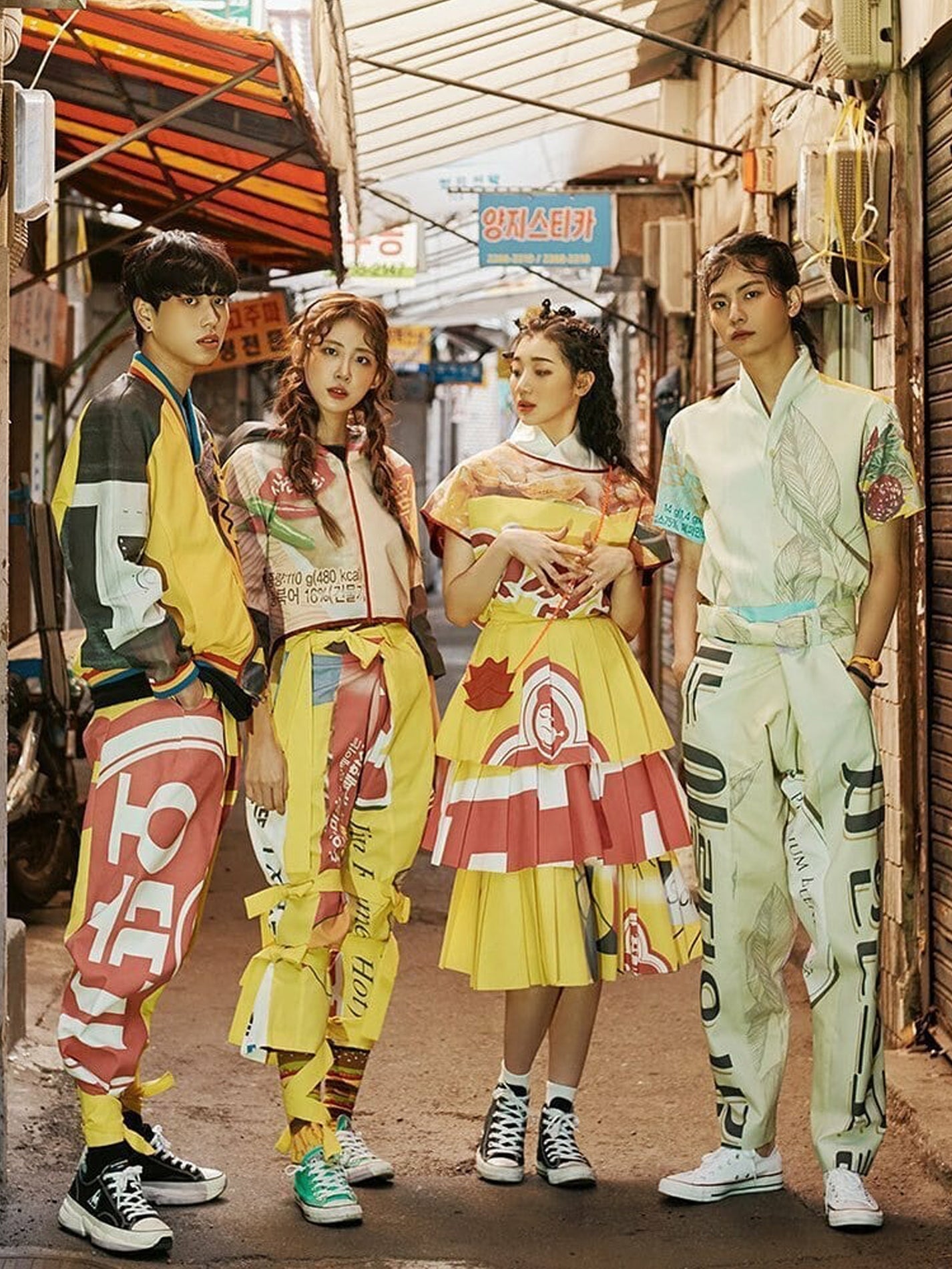
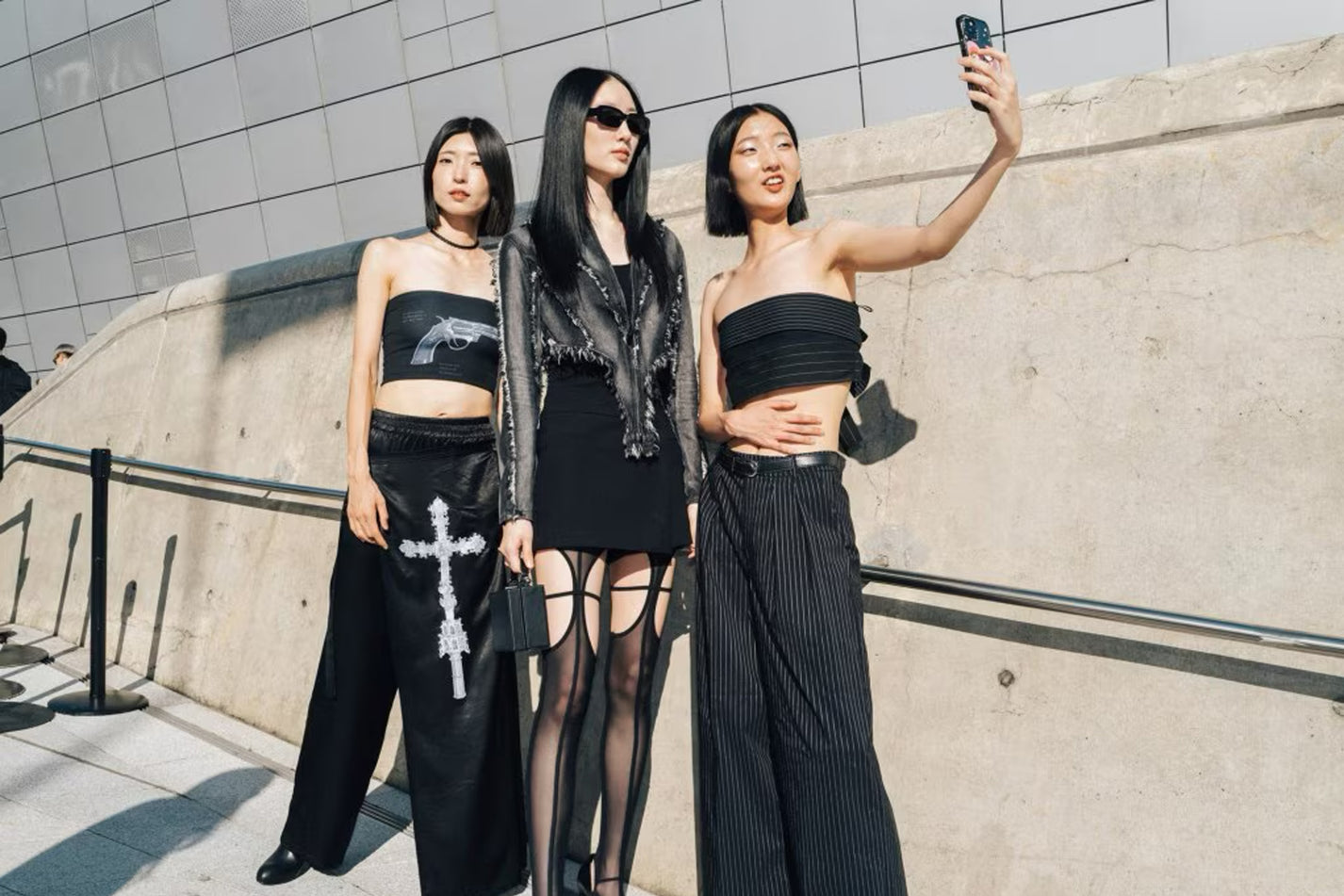
K-fashion offers a fresh alternative to traditional Western styles through its distinctive aesthetic and focus on quality. It blends streetwear with avant-garde design, featuring bold colors, oversized silhouettes, and androgynous looks that encourage personal expression. Korean designers are redefining contemporary fashion by combining conceptual design with streetwear, embracing genderless fashion through deconstructed tailoring, minimalist silhouettes, and rebellious flair. This structured-yet-oversized, androgynous aesthetic has increasingly appeared on runways worldwide.
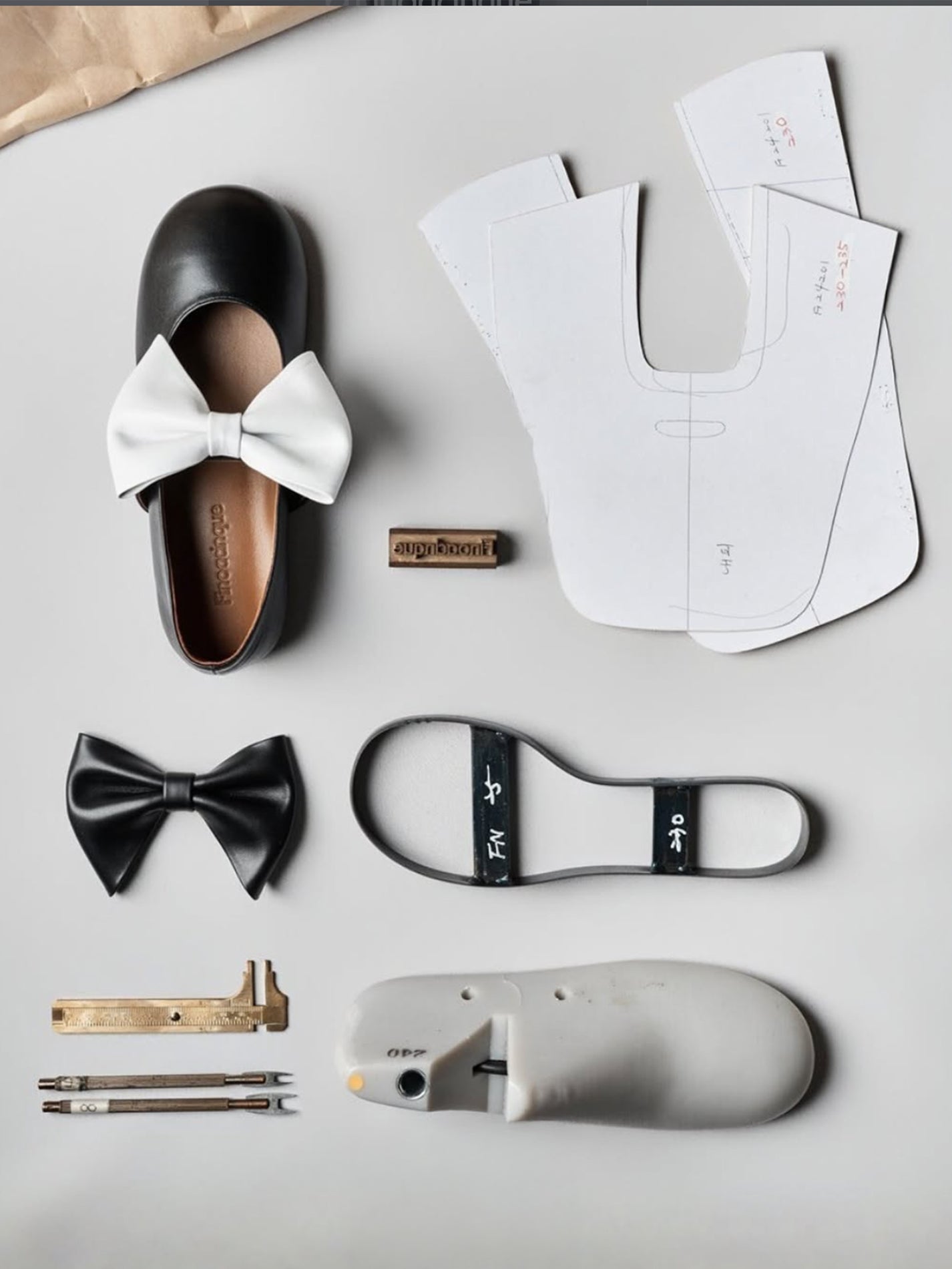
Many Korean fashion items are produced in South Korea, benefiting from the country’s skilled workforce. The “Made in Korea” label is associated with high-end craftsmanship and meticulous attention to detail. Some designs draw inspiration from traditional Korean dress, or hanbok, blending heritage with modern aesthetics. Limited production runs create exclusivity, while accessible price points make K-fashion appealing to a wide audience.
Sustainability and Ethical Practices
Western consumers are becoming increasingly conscious about sustainability, and many Korean brands resonate with this mindset. K-fashion emphasizes quality over quantity, promoting slower and more thoughtful consumption. Manufacturing in Korea often allows for better quality control and potentially reduces the carbon footprint.
Social Media Influence and Direct Access
Social media has amplified Korean fashion’s global reach, giving British shoppers direct access to trends, influencers, and brands. Viral content on TikTok and Instagram acts as a virtual runway, shaping consumer preferences, especially among Gen Z. Fashion bloggers and influencers regularly feature Korean styles, encouraging a broader UK audience to experiment with new looks.
UK-based e-commerce platform YONGDAE aims to become a destination for K-Style enthusiasts. Serving as both an online magazine and multi-brand retailer, YONGDAE curates premium Korean brands in menswear, womenswear, accessories, lifestyle products, and cosmetics, making it easier for British consumers to discover and purchase authentic K-fashion products.
In Summary
As Korean fashion brands gain loyalists outside South Korea, global attention turns toward this burgeoning fashion capital. With its unique aesthetic, high-quality production, sustainability focus, and social media influence, K-Style is poised for continued growth—and the future of fashion may very well be Korean.